Unknown Manufacturer
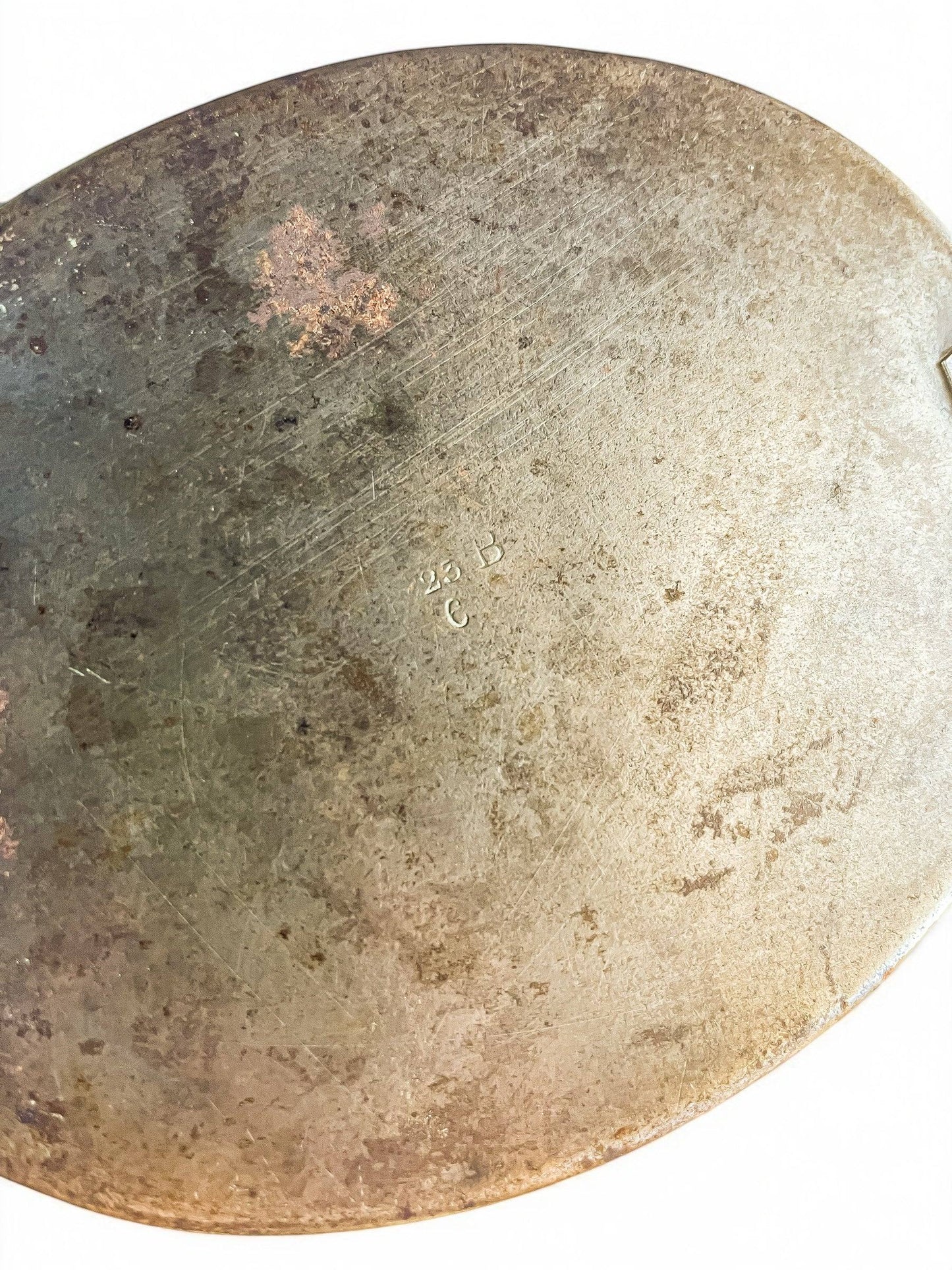
Victorian Fluted Pudding Mould | Tinned Metal (Marked 25 B C)
Victorian Fluted Pudding Mould | Tinned Metal (Marked 25 B C)
1 in stock
Couldn't load pickup availability
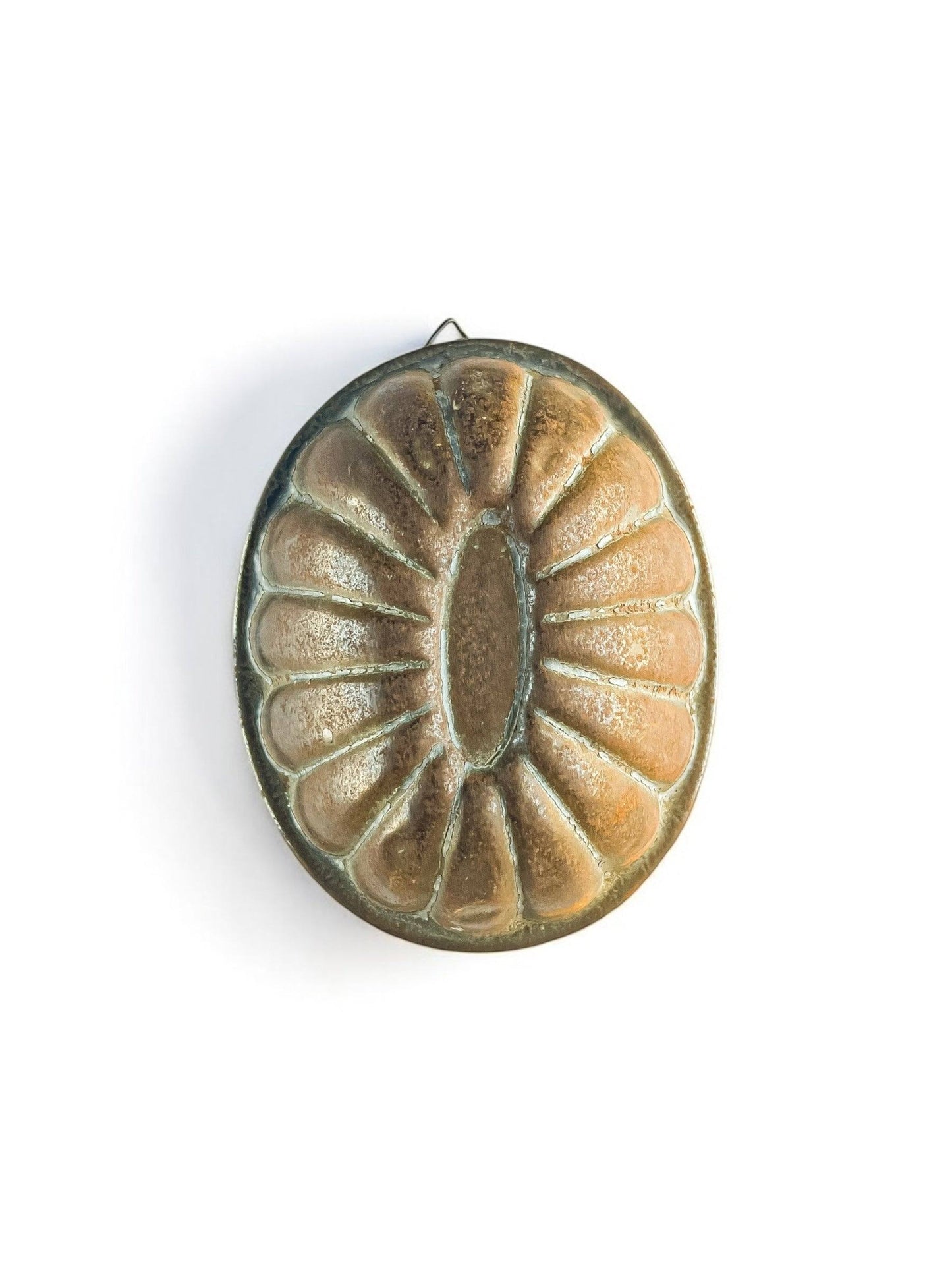
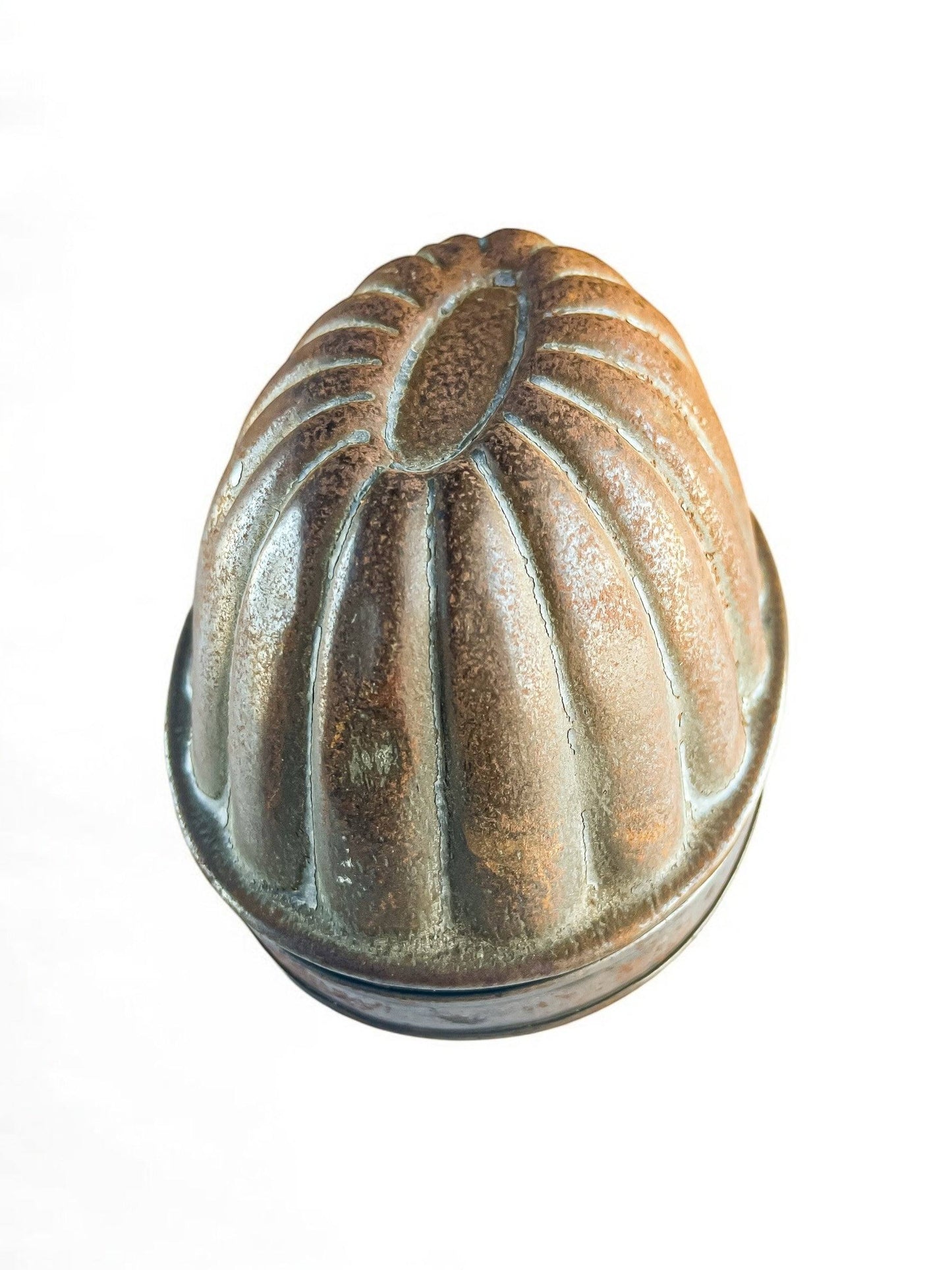
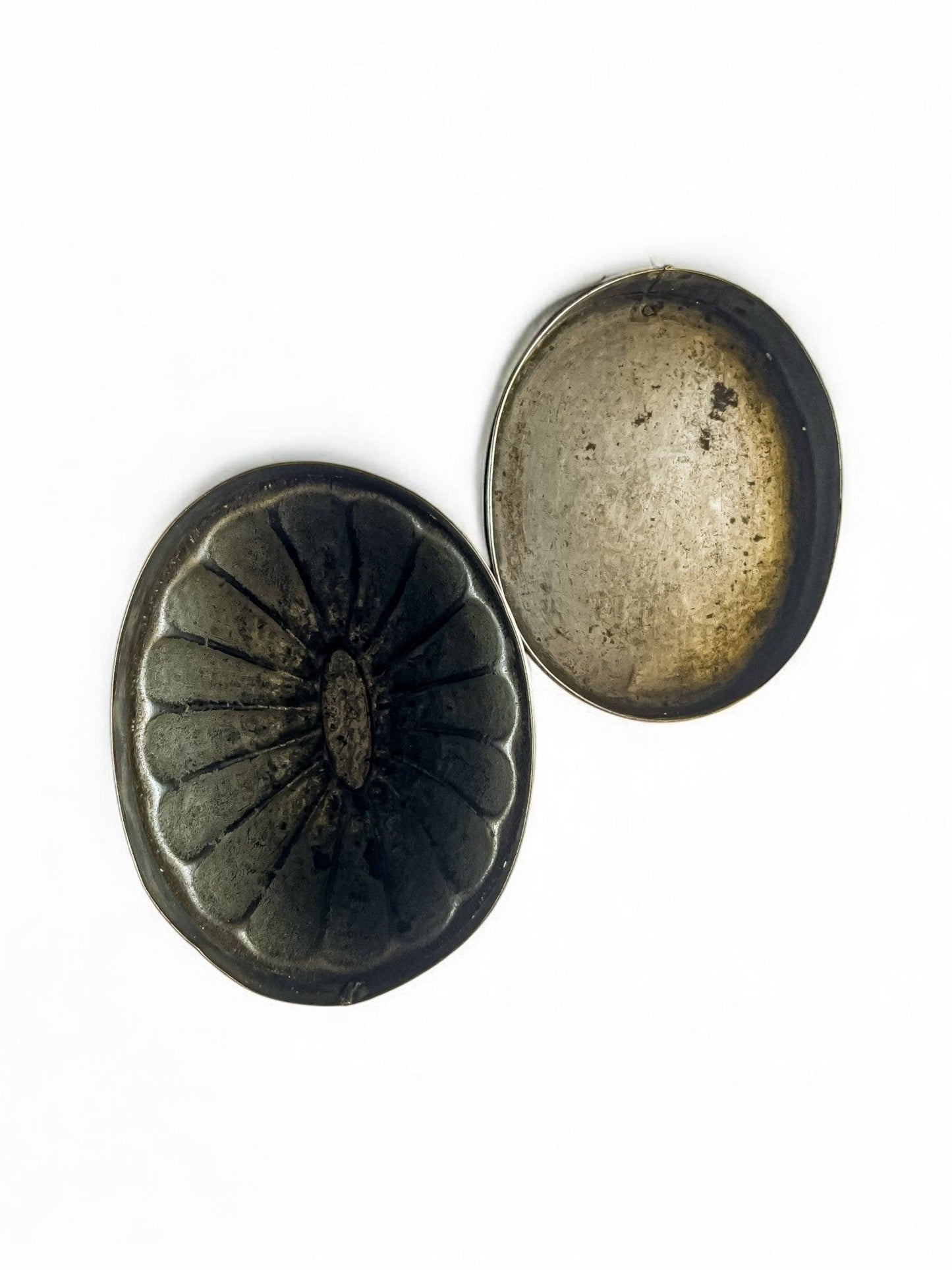
A late 19th-century two-piece mould featuring a deep architectural fluting and a precision-fit lid. The tinned surface has aged into a muted, authentic patina that highlights its heavy-gauge construction.
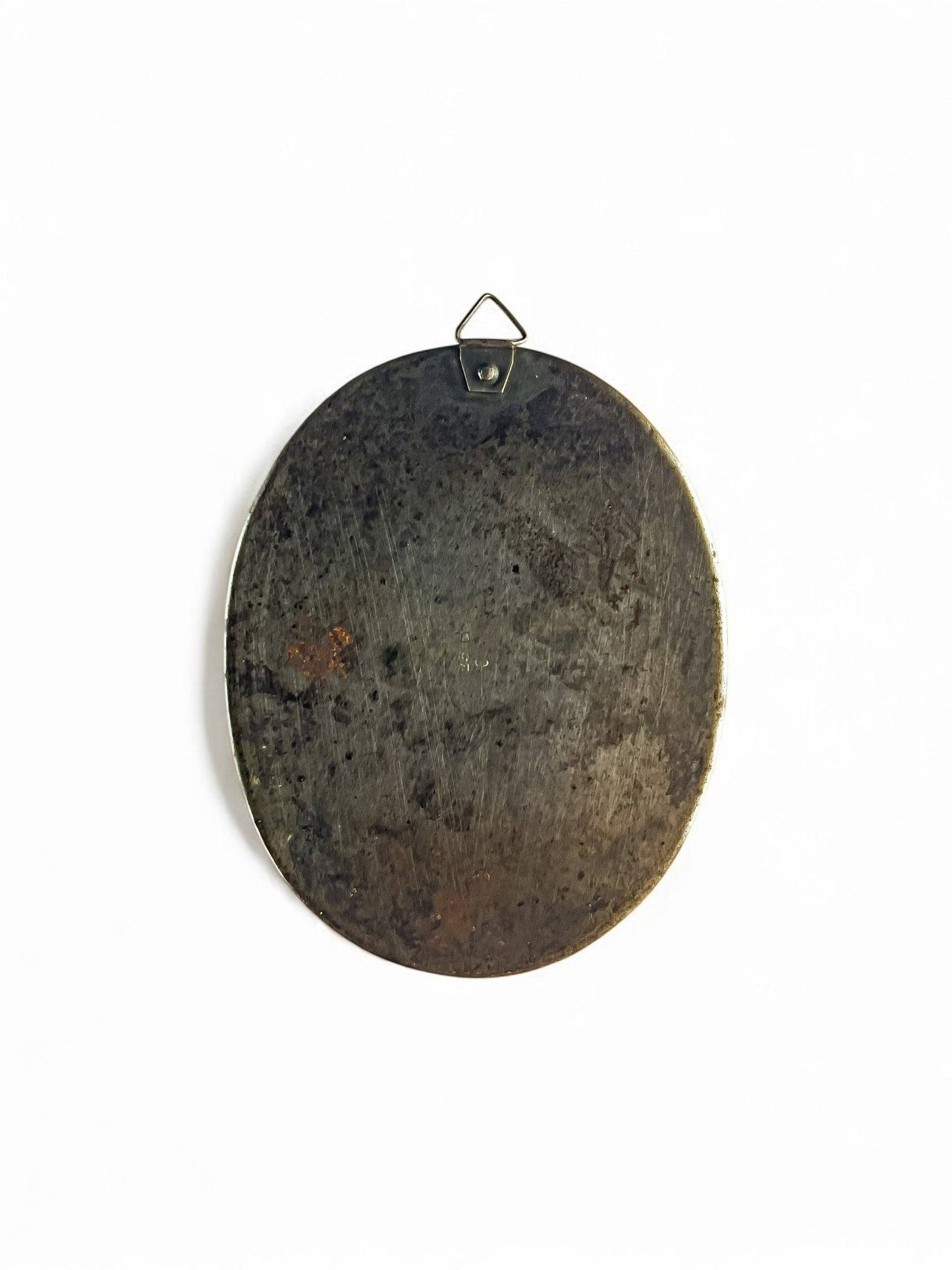
Marked "25 B C" on the base, this piece is a substantial example of Victorian-era kitchenalia. While many moulds of this era have lost their lids, this set remains complete and functional as a sculptural object. Whether wall-mounted or grouped with other metalware, its clean geometric lines offer a sharp contrast to modern kitchen surfaces.
Dimensions
Dimensions
- Height: 8.8 cm
- Length: 12.2 cm
- Width: 16 cm
Condition
Condition
- Good - In good antique condition, with patina, surface wear, and aged tinning consistent with its age and use.
- No major dents or structural flaws.
- Lid fits snugly and seals well.
Additional Information
Additional Information
1. Historical Context:
- The mould was almost certainly used for traditional steamed puddings, the kind that would simmer gently for hours in a copper pot on a hearth or stovetop.
- The tight seal helped keep water out during cooking, while the ribbed form allowed heat to circulate evenly, producing a dessert as beautiful as it was indulgent.
- Though it may have also been used for elaborate cold desserts such as aspics or frozen bombes, the precision seal and sturdy construction point most confidently toward its use in the world of Victorian pudding-making.
2. Special Characteristics:
- Two-Piece Construction: The mould features a base and a domed lid that seal together tightly, characteristic of steamed pudding moulds used in the 1800s.
- Fluted Design: Deeply ridged to create a dramatic presentation once removed from the mould.
- Markings: Stamped with “25 B C”, likely a catalogue number and maker’s code from the period.
- Material: Tin-plated metal, with a silvery interior lining and aged exterior patina. The metal has not been polished, preserving its antique character.
- Era: Circa late 19th to early 20th century, likely English in origin.
- Display-Ready: A built-in hanging loop allows for easy wall display in a rustic or traditional kitchen.
3. Uses & Styling Ideas:
- Hang it on a kitchen wall among vintage baking tools.
- Display it on open shelving alongside copper cookware and old recipe books.
- Use it as a unique centrepiece base—place dried flowers or seasonal produce within the open dome.
Share